I have always loved sweet potatoes. They remind me of the holidays, when I serve them alongside my holiday ham, the way my Lola taught me. Sweet potatoes can be humble and homey, yet also elegant when prepared with care. They even show up in my cookbook and in my classes, where I share one of my favorite recipes for Japanese university sweet potatoes, known in Japan as Daigaku Imo. The name Daigaku Imo comes from their popularity with Japanese university students, who loved them as an affordable, filling, and delicious snack. Once you try them you will know why they love them!
That is why I was so excited to be featured on Foodie.com. In the article, I share some of the most common mistakes people make when cooking sweet potatoes and, more importantly, how to avoid them. For example, many home cooks add sugar too early and end up with burnt edges, or they do not give the potatoes enough time in the oven and wind up with a dry, starchy bite instead of that soft, creamy texture we all love.
If you love sweet potatoes as much as I do – or if you simply want to make them come out tender, flavorful, and delicious every time – I invite you to check out the piece. It is a chance to dive deeper into this ingredient, learn practical tips you can use right away in your own kitchen, and see why sweet potatoes have a special place in both my holiday table and my everyday cooking.
A Few {More} Sweet Potato Tips from Me
1. Do not rush the roasting.
Sweet potatoes need time. If you pull them out of the oven too soon, the texture will be starchy instead of creamy. I like to roast them at a steady temperature until they are soft all the way through. Patience makes all the difference.
2. Avoid drowning them in sugar too early.
Many people add brown sugar or syrup at the start of cooking. The problem is that the sugars burn before the potatoes are done. Instead, let the sweet potatoes cook first and glaze them toward the end. This way you get that beautiful balance of natural sweetness and caramelized edges.
3. Do not skip seasoning.
Sweet potatoes love a little salt. Salt enhances their natural sweetness and brings depth. I sometimes add soy sauce or miso for a savory counterpoint. A touch of spice, like cinnamon or smoked paprika, also makes them shine.
Cooking with Heart
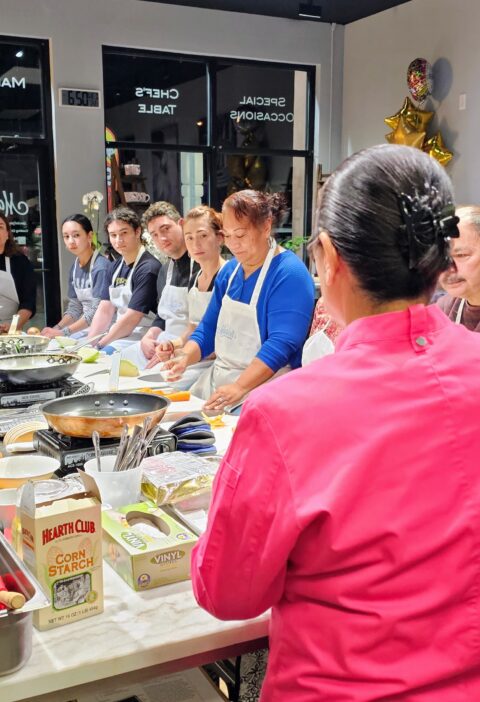
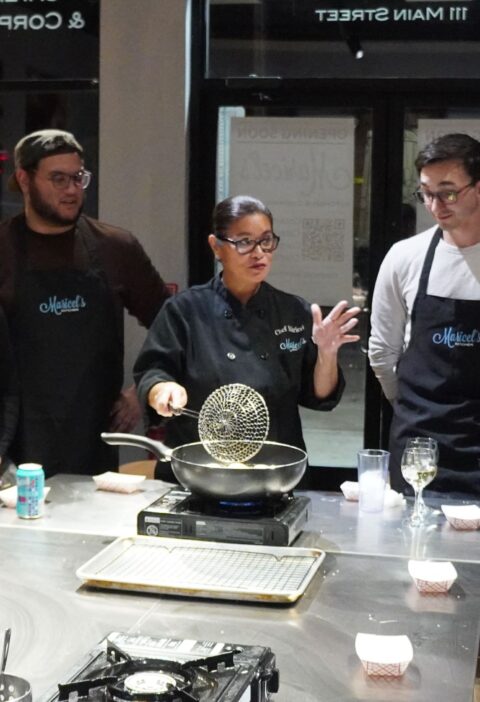
These tips are just a glimpse of how I approach food. Whether it is sweet potatoes or adobo, I focus on showing people practical techniques that they can use at home. In my classes, I teach with honesty and heart, whether I am sharing Filipino favorites or dishes I have learned along the way, like those Japanese sweet potatoes. My cookbook, Maricel’s Simply Asian Cookbook, carries that same spirit, with recipes and stories that connect people to culture and memory through food.
Let’s Cook Together
If you enjoyed these tips, come cook with me. Join one of my upcoming cooking classes at Maricel’s Kitchen, where we learn together and, of course, eat together. You can also sign up for my email list to get updates, recipes, and new classes delivered straight to your inbox.
📚 Order a copy of Maricel’s Simply Asian Cookbook
🍳 Book a class at Maricel’s Kitchen
✉️ Join my email list for recipes and tips
Food connects us. Sweet potatoes are just one example of how something simple can bring so much joy when prepared with care.